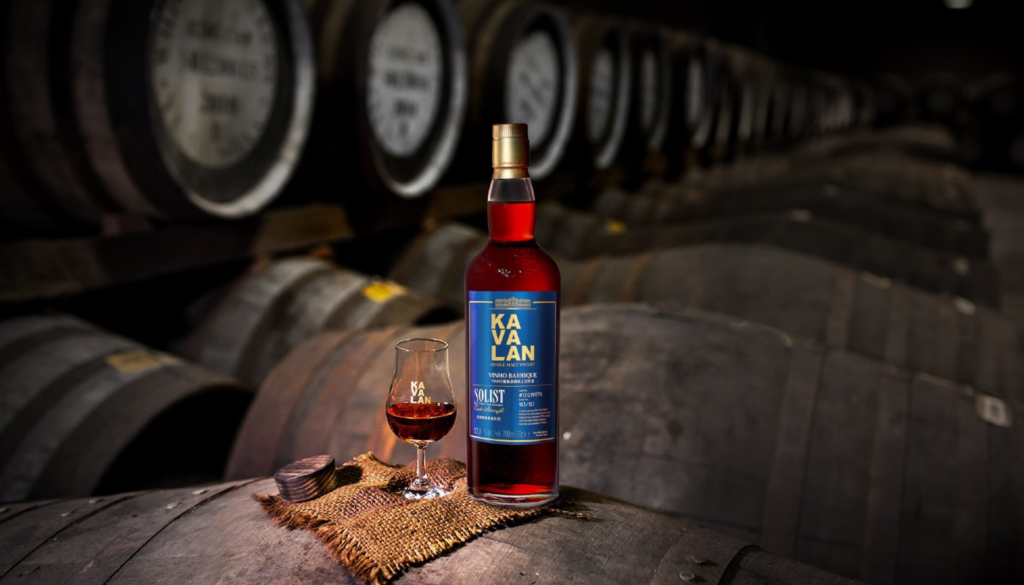
Tasting whiskies (and high-proof alcohols in general) can be challenging, especially for beginners that are just starting to learn how to taste whiskies.
- High-proof alcohols can create a “burn” or “heat” sensation that can be overwhelming on the palate, especially one that is not used to drinking high-proof alcohols. This initial burn can completely obscure the subtle, complex flavors underneath. A new drinker might taste only ethanol and oak, missing the vanilla, fruit, or spice notes that an experienced taster can detect. It is an acquired taste where your brain learns to ignore the burn and search for the underlying flavors.
- Whisky also presents an incredibly wide and intense spectrum of flavors, which in itself can be overwhelming. Trying to identify individual subtle flavors from a single sip while dealing with the burning sensation is like trying to hear a single instrument in a loud, chaotic orchestra.
Ice cream is the perfect canvas for experiencing all the nuances and subtleties of whiskies, especially complex or cask strength whiskies. While it might seem unconventional, adding whisky as an ingredient in ice cream is a fantastic and surprisingly effective way to taste and appreciate it. Ice cream moderates the whisky’s harshness while amplifying its best qualities. In this three part series, we’ll explore why ice cream presents the perfect canvas for experiencing whisky.
Mellowing the burn
This is the most immediate and important benefit of making whisky ice cream. It is also arguably the biggest barrier to entry for beginners that want to explore the world of whisky. The high alcohol content of whisky can prevent to trying whisky, because of the “burn” that overwhelms the palate.
First, it is important to understand what “alcohol burn” is. It is not a taste or flavor. It is a chemical reaction that triggers pain and heat receptors in your mouth. Ice cream systematically dismantles this reaction through two main methods:
- Cold Temperature: The coldness of the ice cream physically numbs the taste buds slightly, dramatically reducing the sensation of alcoholic heat.
- Fat and Creaminess: The fat molecules in the ice cream coat the tongue and mouth. This creates a protective barrier that softens the aggressive impact of the ethanol, allowing the underlying flavors to emerge without the initial shock.
Let’s get a little deeper into the scientific specifics of how ice cream mellows the whisky burn.
Temperature: Freezing Your “Heat” Receptors
The most immediately noticeable and most impactful mechanism is the physical coldness of ice cream. The scientific reason for how this works is rooted in neurobiology, but it is really common sense.
- The Trigeminal Nerve and TRPV1 Receptors: The burning sensation from alcohol is primarily registered by the trigeminal nerve. This nerve network in your face is responsible for sensations like temperature, texture, and pain. Specifically, ethanol molecules activate a receptor protein called TRPV1 (Transient Receptor Potential Vanilloid 1).
- Tricking Your Brain: The TRPV1 receptor’s main job is to detect actual heat. It’s what tells your brain “This is hot!” when you sip coffee that’s too hot. Ethanol essentially tricks this receptor, binding to it and forcing it to send the exact same “hot/burning” signal to your brain, even though the liquid is at room temperature.
- How Ice Cream Intervenes: The cold temperature of ice cream (often between -10°C to -18°C) performs two critical functions:
- Reduced Receptor Sensitivity: The coldness physically lowers the temperature of the surfaces in your mouth, making the TRPV1 receptors less excitable and less sensitive. It’s the neurological equivalent of putting a cold ice pack on a burn to soothe it.
- Sensory Masking: Your brain receives an overwhelming and competing “COLD!” signal from other nerve endings. This powerful cold sensation partially masks or overrides the “HOT!” signal being generated by the alcohol, reducing the overall perception of a burn.
Fat Content: Creating a Protective Barrier and Emulsifying Ethanol
The chemistry of high-quality ice cream’s creaminess plays a major role in reducing burn. The main component at play here (as it often is when it comes to most things related to ice cream) is fat!
- Physical Coating: The lipids (fats) and proteins in the ice cream create a viscous, protective layer over the mucous membranes of your tongue and mouth. This physical barrier prevents a significant portion of the ethanol molecules from making direct, aggressive contact with the pain receptors.
- Emulsification and Chemisorption: Ethanol is an amphiphilic molecule, meaning it can mix with both water and oils/fats. When the whisky blends with the milk and cream in an ice cream base, the tiny milk fat globules trap and surround many of the ethanol molecules. This process, a form of chemisorption, effectively “hides” the ethanol within the creamy matrix. Instead of being free to assault your palate, the alcohol is caught in a soft, fatty cushion, and its impact is released much more slowly and gently.
Sweetness: Sensory Competition and Distraction
This is a psychological and sensory mechanism that distracts the brain, but should not be underestimated.
- Competing Pathways: Your brain can only process so much sensory information at once. Sweetness is one of the most powerful and fundamentally pleasurable taste signals. When your palate is hit simultaneously with a strong, pleasurable “sweet” signal and an aggressive “burn” signal, the sweet signal actively competes for your brain’s attention.
- Re-contextualizing the Sensation: For many people, this competition re-frames the alcohol burn. Instead of being perceived as a purely negative, painful sensation, it becomes a “pleasant warmth” or a “boozy kick” within the enjoyable context of a sweet dessert. It changes the burn from an assault into an interesting, complex element of the overall flavor profile.
Dilution: A Straightforward Reduction in Alcohol Content and Potency
This reason really should be at the top of this list. It is by far the most straight forward reason why whisky ice cream
- Water Content: The biggest component of ice cream by weight is frozen water. By adding whisky to an ice cream base, we are inherently diluting the whisky with water.
- Lowering the Proof: Combining 20ml of 60% ABV whisky with other ingredients to make 500ml of ice cream will result in an ice cream base where the alcohol concentration is significantly lower. This simple dilution reduces the density of ethanol molecules, meaning there are fewer of them available to trigger the TRPV1 receptors in the first place. It’s the same principle as adding water to a glass of whisky, but it happens dynamically as we churn whisky ice cream base into whisky ice cream.
Ice cream doesn’t just mask the burn, it systematically disarms it. The cold deactivates the heat receptors, the fat creates a barrier and traps the ethanol, the sweetness distracts the brain, and simply adding whisky as an ingredient to ice cream dilutes the spirit. This powerful combination is what mellows the high-ABV spirit so effectively, transforming it from a harsh spirit into a delicious, complex dessert ingredient.
In Part 2 and Part 3 of this series, we’ll discuss how certain attributes of ice cream drastically change the tasting experience of whisky for the better!
If you’re interested in experiencing the science of whisky and ice cream in action, Elliot’s offers a variety of whisky and alcoholic ice creams. You can learn more about them by visiting our Flavors website and contact us if you’d like a tasting!